
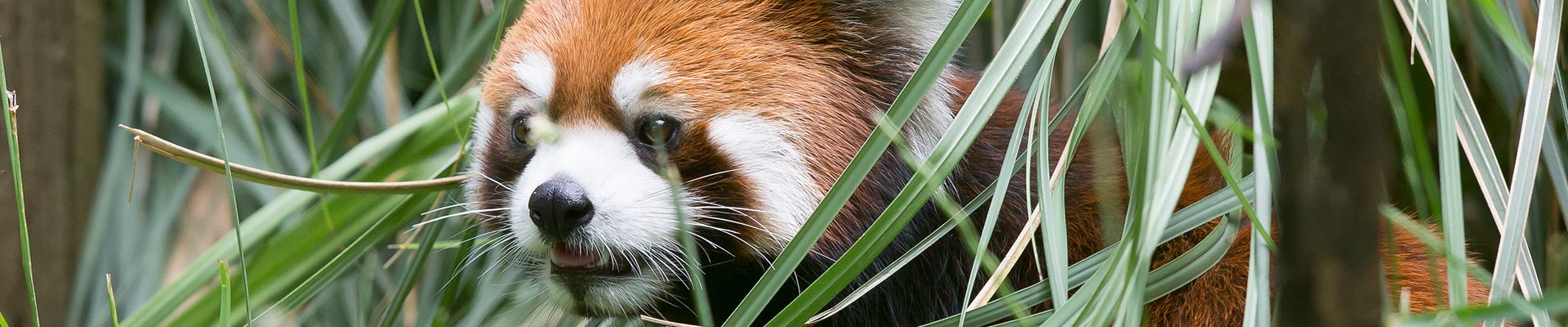
Empowering local communities in Nepal to save red pandas and their forests
Rapid human population growth in the Eastern Himalayas is causing deforestation and fragmentation of red panda habitat. The global red panda population has declined by 50% in 20 years and there may be as few as 2,500 remaining in the wild. But there is hope! Since 2007, The Red Panda Network has become a world leader in efforts to save red pandas and their forest habitat through the education and empowerment of local communities.
The Red Panda Network focuses on research and monitoring, policy and advocacy, community-based conservation, education and outreach—all the while creating sustainable livelihoods for people who share red panda habitat. The group empowers and engages local communities to participate in red panda conservation by preserving forests, establishing wildlife corridors and viable red panda populations, and conducting status surveys.
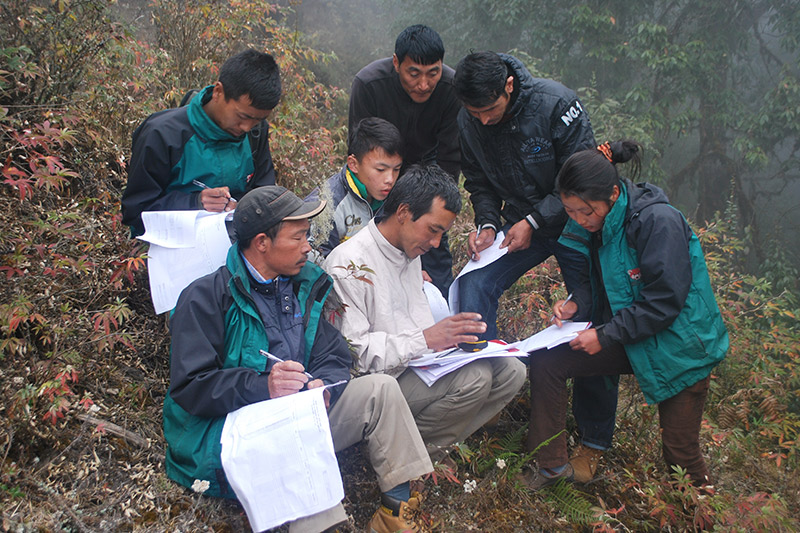
Red Panda Network hires local people to become “Forest Guardians” who earn a living by protecting red panda habitat and educating communities. This community-based conservation allows them to support their families while helping save red pandas.
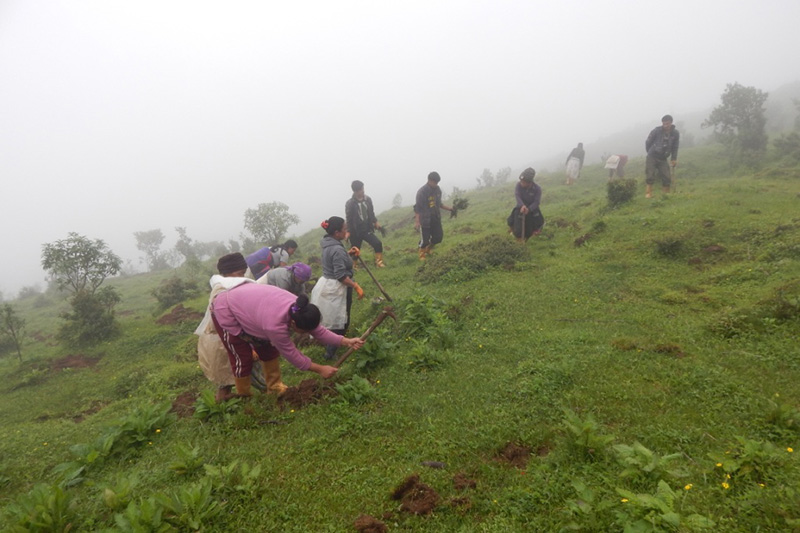
The “Plant a Red Panda Home” campaign addresses the challenges red pandas face from habitat loss and fragmentation. In 2022 the Red Panda Network prioritized hiring women for this program—a win for conservation that also breaks down barriers to education and leadership opportunities for women.

Woodland Park Zoo has joined with other Association of Zoos & Aquariums-accredited zoos to form the Red Panda SAFE (Saving Animals From Extinction) program. That means accredited zoos are now bringing their expertise, resources and audiences together for this cause.
A healthy future for red pandas and the forests we share is within reach! You can help by choosing paper and wood products certified by the Forest Stewardship Council (FSC) when you shop. Look for the FSC logo to confirm your product choice was made using responsible forestry methods.
Learn More About Red Pandas