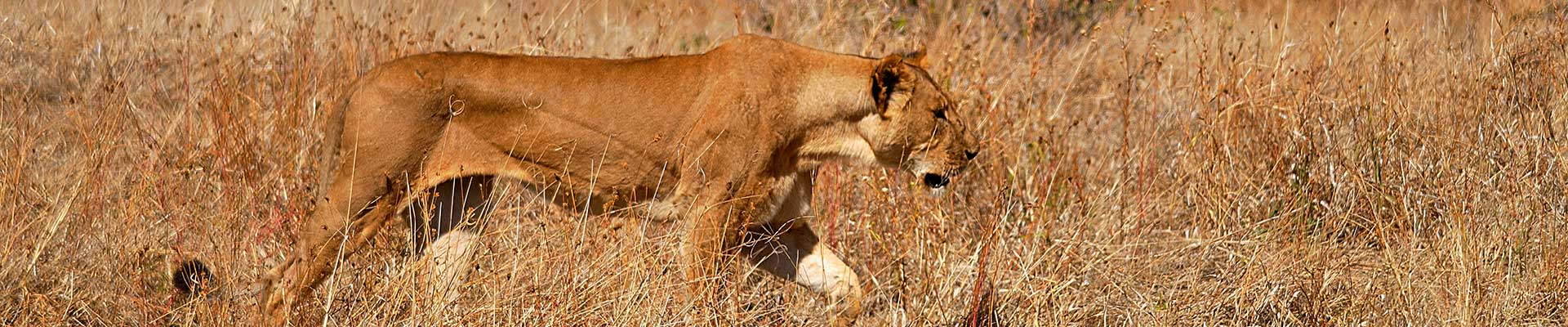
Lion Landscapes
Working with communities to protect the carnivores of Tanzania and reduce conflict
DISAPPEARING ICONS OF AFRICA
Large carnivores, including lions, leopards, cheetahs, hyenas and African wild dogs, are some of the world’s most iconic and ecologically important species. As apex predators at the top of the food chain, they are critically important in maintaining a balanced ecosystem. But their iconic status has not prevented these large carnivores from undergoing dramatic population declines over the last 20 years.
Carnivores often come into conflict with people who are trying to protect their livestock and themselves—and some villagers may feel they have no choice but to kill lions, leopards and other predators that might threaten their wellbeing. In addition to conflict with humans, carnivore populations are also affected by habitat loss and illegal poaching for the wildlife trade. All large carnivore populations in the region have experienced steep declines over the last decades. For example, lion numbers have been cut in half, cheetahs have disappeared from 90% of their historic range and African wild dogs have become one of the continent’s most endangered carnivores.
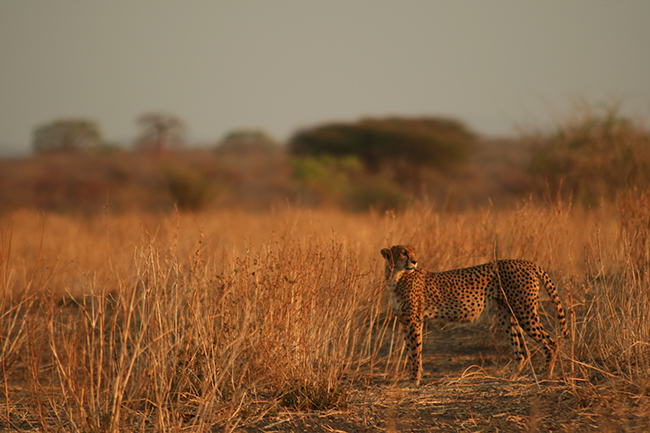
The Ruaha landscape of Tanzania, which covers nearly 20,000 square miles, is home to all these species and is one of the most important wildlife areas left in Africa. The area supports more than 10% of all Africa’s remaining lions, contains the world’s third largest population of endangered African wild dogs, and is one of only four large cheetah populations in East Africa.
PARTNER SPOTLIGHT
Lion Landscapes in Tanzania
A Woodland Park Zoo Conservation Partner
Woodland Park Zoo partners with Lion Landscapes in Tanzania to help reduce conflicts between wildlife and people who live in the area and to develop effective strategies for long-term carnivore conservation. Species covered in this program include lions, cheetahs, leopards, spotted hyenas and African wild dogs.
Hope for carnivores and help for people
Protecting Livestock and People
Lion Landscapes provides resources for local communities, including help with predator-proofing enclosures and a guard-dog program. These efforts protect livestock from predation—which also helps prevent local people from targeting carnivores.
Protecting Carnivores
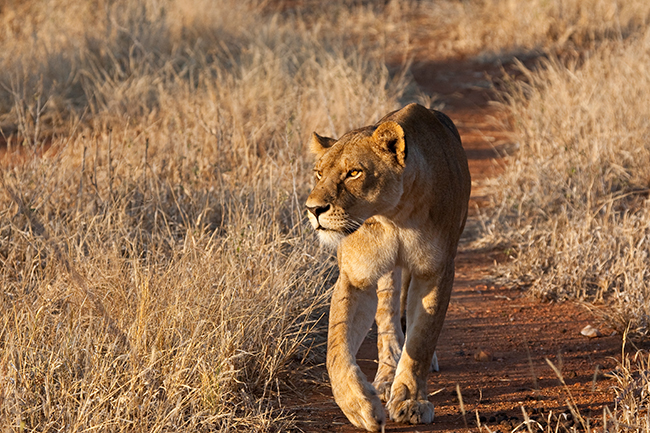
Ruaha used to have the highest recorded rate of lion mortality in modern times, but that has now declined substantially. Since conflict mitigation work began in 2009, there has been a 90% reduction in carnivore killings in key villages.
Cultural Understanding
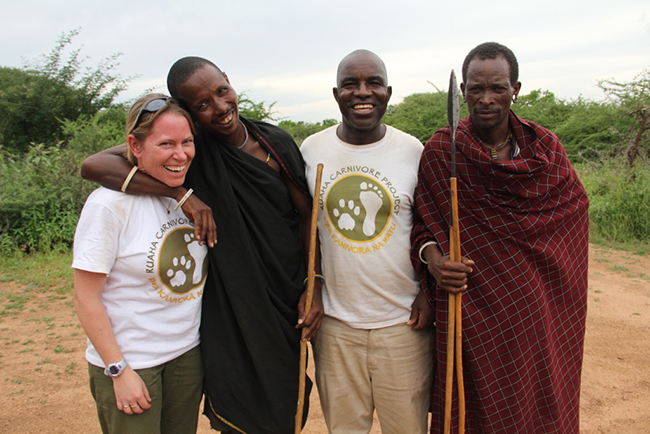
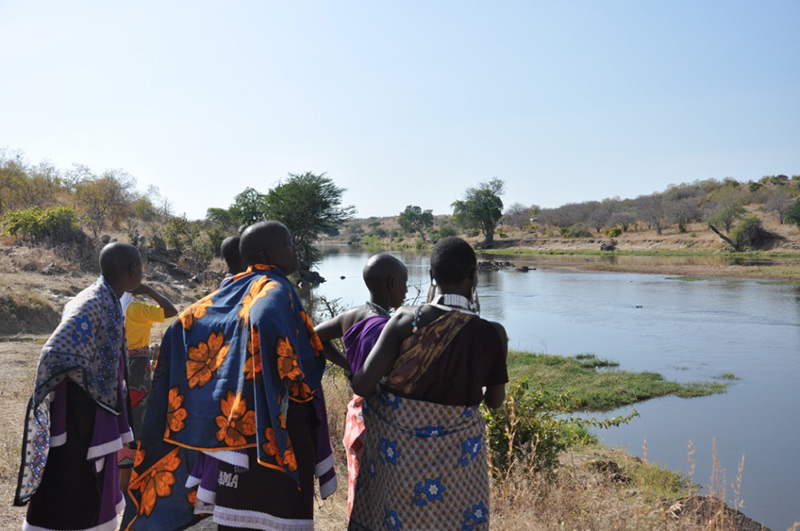
Lion Landscapes works with local Maasai communities to develop culturally appropriate engagement opportunities through the Lion Defenders program. This allows young men to fulfill traditional warrior roles and to gain status from lion conservation instead of lion hunting.
Education and Healthcare for Local Communities
In exchange for commitments to conservation, Lion Landscapes works with a variety of partners to secure funds and equipment for local community schools, healthcare clinics and veterinary care for livestock.
WHAT YOU CAN DO
Successful conservation efforts begin with education, empathy and wise consumer choices. Many wild animals, including carnivores such as lions and leopards, are poached and trafficked for their parts. When travelling abroad, always choose souvenirs that don’t harm animals. Avoid elephant ivory, rhino horn, turtle shell and all other trafficked wildlife.